
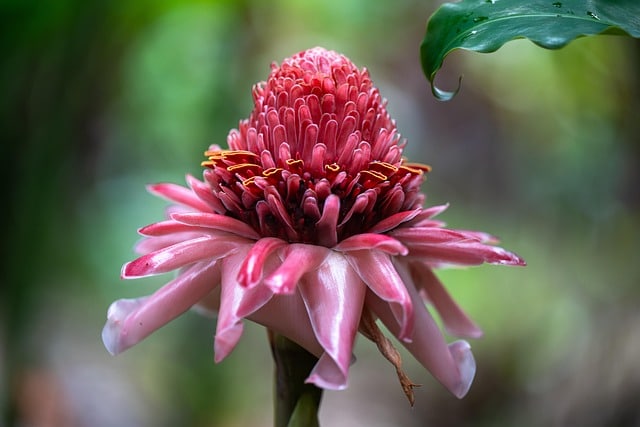
Picture the vast, dry outback of Australia, where red earth stretches endlessly under a relentless sun. Yet, step into a backyard garden down under, and you see explosions of gold, crimson, and deep blue that defy the tough conditions. This mix comes from the land’s unique light and weather, which make colors pop in ways few places can match.
Australian garden color stands out for its toughness and bold clashes. It blends plants from right here in Australia with ones from afar that handle the heat and dry spells well. In this guide, we look at key colors that shape these spaces, from native blooms to smart design tricks that keep your yard lively all year.
The Endemic Stars: Fiery Reds and Sunny Yellows of Native Flora
Native plants bring heart to Aussie gardens. Iconic Aussie Garden colour synthetic turf They thrive in poor dirt and hot sun, offering colors that feel true to the land. These picks not only look great but also support local wildlife.
Wattles (Acacia Species): The Golden Carpet
Wattles light up spring across Australia with their bright yellow flowers. Acacia pycnantha, the golden wattle and national emblem, covers hills in a sea of gold. You see it everywhere, from coastal spots to inland areas, blooming thick from July to September.
This yellow flood changes the whole view. It draws bees and birds, too. Plant one in your yard for easy color that needs little care—just well-drained soil and full sun.
The Crimson and Scarlet of the Proteaceae Family
The Proteaceae family packs a punch with reds that stand out against green eucalyptus. Waratahs, or Telopea speciosissima, show off huge crimson blooms in spring. They grow best in sandy, acidic soil and add drama to any border.
Grevilleas come in many shades of red and offer year-round interest with needle-like leaves. Bottlebrushes, from Callistemon, feature bottle-shaped red spikes that hummingbirds love. These plants handle drought once set, making them stars for low-water gardens.
Pair them with silver-leafed companions to make those reds glow even more. In full sun, their colors stay vivid without fading.
Soft Hues: Native Oranges, Pinks, and Purples
Not all native colors scream. Some bring gentle touches, like the pink of kangaroo paws or purple from native peas. These fill in gaps and soften bold displays.
Certain eucalyptus flower in soft oranges during summer. Ground covers like dichondra offer lime greens year-round. Even native orchids, though tricky, add rare pinks in shaded spots.
Use these for subtle layers. They work well under trees or along paths, keeping the palette balanced.
Mediterranean Marvels: The Cool Tones That Define Suburban Australia
Many top garden colors in Australia come from plants that love dry summers and cool winters. These Mediterranean types fit right into suburban yards. They bring calm blues and purples that ease the heat.
The Blue and Purple Dominance: Lavender and Salvias
Lavender rules in sunny, dry Aussie spots. English lavender’s purple spikes fill the air with scent and color from summer to fall. It grows fast in gritty soil—just add lime if your dirt is too rich.
Salvias offer a range of blues and purples. Try Salvia greggii for hot pink accents or deeper blues in full sun. To boost their show, mix in compost yearly and cut back after blooms.
These plants draw butterflies and need little water once rooted. They line paths or edges perfectly.
The Succulent Spectrum: Echeveria and Beyond
Succulents add texture and hue without much fuss. Echeverias rosettes in dusty blues and pinks thrive in pots or rock gardens. Their colors shift with sun, turning rosy in heat.
Sedums bring ground-level purples and greens. These low growers handle foot traffic and poor soil. Group them for a living carpet that stays colorful.
Water them only when dry. In Aussie climates, they shine with minimal help.
Flowering Shrubs: Bougainvillea and Lantana Success Stories
Bougainvillea climbs walls with fuchsia and orange bracts. It loves full sun and dry air, common in tropical north. Train it over arches for a colorful frame.
Lantana spreads bright oranges and yellows. It’s tough against pests and blooms non-stop in warm spots. Keep it trimmed to control its wild growth.
Both suit coastal or inland yards. They add tropical flair to everyday spaces.
Strategic Color Blocking: Designing for High-Impact Visuals
Colors work best when planned. In bright Aussie sun, bold blocks create stunning effects. Think big contrasts to fight glare.
Complementary Contrast: Pairing Warm and Cool
Match hot reds with cool blues for punch. A yellow wattle next to purple lavender makes both stand out. Use a simple color wheel—opposites like orange and blue spark energy.
In high UV, skip pastels; go for deep tones. Try terracotta pots with blue agaves. This setup thrives in heat.
For ideas, check blue green orange pink palettes to spark your design.
Utilizing Foliage as Permanent Color
Leaves provide steady color when flowers fade. Silver eucalyptus reflect sun and cool the eye. Olive trees offer grey-greens that pair with any bloom.
Use these as backdrops. They cut heat and add depth. Plant in groups for impact.
Dark greens from lilly pillies ground bright spots. This keeps your garden lively through dry months.
Seasonal Color Rotation: Beyond Spring Bloom
Spring steals the show, but plan for all year. Flowering gums like Corymbia ficifolia burst red in summer. They drop petals like confetti.
In cooler south, camellias flower pink in winter. Kangaroo paws extend orange into fall. Layer plants with off-times to fill gaps.
Mix natives and exotics. This way, color flows without dead zones.
Mastering Soil and Light for Color Longevity
Aussie gardens face real challenges. Hot sun and dry soil can dull hues fast. Smart care keeps pigments strong.
The Impact of Water Stress on Pigmentation
Lack of water shrinks blooms and fades colors. Plants like grevilleas drop flowers early without enough. Deep soak every two weeks for roots to dig deep.
This builds tough plants with better shows. Mulch holds moisture and cools soil. Watch for wilting—it’s your cue to water.
Maximizing Sunlight for True Color Saturation
Full morning sun boosts reds and yellows. But afternoon scorch washes out blues. Place lavender east-facing for best results.
Reflected heat from walls intensifies burn. Shade cloth helps in extreme spots. Test with a few plants first.
True colors need balance. Morning light plus some cover equals long-lasting vibrancy.
Fertilization Strategies for Peak Bloom
Natives hate high phosphorus—it burns roots. Use low-P mixes for wattles and waratahs. Apply in spring for max flowers.
Exotics like salvias take balanced feeds. Go slow-release to avoid lush leaves over blooms. Test soil yearly to adjust.
Right nutrients mean brighter, longer displays. Overdo it, and colors suffer.
The Accents: Hardscaping and Accompanying Features
Plants alone don’t make the magic. Paths, pots, and ponds tie colors together. They add layers that last.
Terracotta, Stone, and Timber: Earthy Foundations
Terracotta pots warm up with reds and oranges. Sandstone walls echo native tones. Rustic timber benches blend with greens.
These materials ground bold flowers. They handle weather without fading. Mix in for a cozy feel.
Water Features and Blue Accents
A small pond with turquoise tiles cools the palette. It contrasts hot blooms and draws birds. Keep it simple—solar pumps work well.
Blue pots mimic this effect. Place near reds for pop. Water adds movement to still colors.
Conclusion: Your Signature Australian Color Story
Iconic Aussie garden color mixes tough natives with vibrant imports. Reds from waratahs clash with yellow wattles, while blues from lavender calm it all. Bold contrasts suit the bright light and dry air.
Key points: Start with soil and sun needs. Layer for year-round interest. Use hard scape to enhance.
Visit nearby yards that thrive in your area. Pick what works locally. Build your own colorful oasis step by step.