
Have you ever noticed how the pests giving you trouble in your garden are so different from the bugs gardeners talk about online or in other regions of the country? This is because the climate and location are the two main factors that determine whether insects may survive and grow in any given place. Understanding the differences can help you identify the pests you find in your own yard.
How the Climate Affects Garden Pests
The climate affects which pests you see in your garden and how quickly they multiply. Most insects are cold-blooded, meaning they can’t regulate their body temperature. Their internal temperature and activity levels depend on the environment surrounding them.
In warmer areas, pests breed faster and are active for a longer period of the year. Some species may even produce numerous generations in a single growing season, increasing the likelihood of invasion.
Source: https://unsplash.com/photos/a-long-thin-yellow-insect-on-a-thin-thin-branch-z5-jkGfnbwg
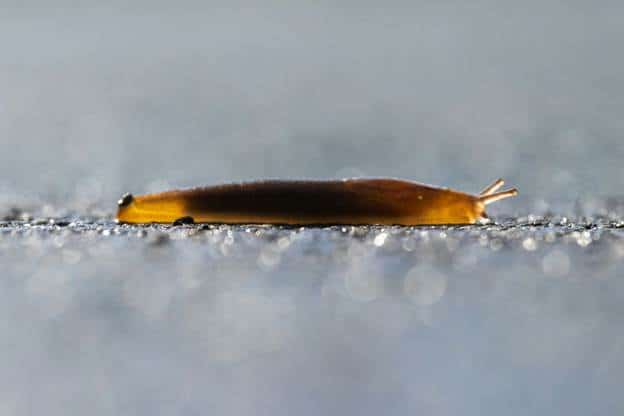
Also, moisture is an essential factor. It can be a perfect breeding ground for pests such as mosquitoes, slugs and other garden pests that flourish in moist places.
Dry climates, on the other hand, tend to be populated with bugs adapted to hot, arid conditions. Even within a state, variations in rainfall and humidity can determine which pests are most prevalent.
Another determinant in local pest populations is winter weather. Long stretches of cold weather can reduce the number of insects that reach spring, helping control some species. Warmer winters in some areas may allow pests to survive the cold months in higher numbers and emerge earlier in the growing season. As a result, gardeners in different climates often have very varied pest problems from year to year.
Common Pests in Different Climates
While climate influences how pests survive and spread, the specific insects you encounter can vary dramatically depending on the environment where you live.
Temperate Climates
Temperate climates experience four distinct seasons, including warm summers and cold winters. Changing seasons provide conditions that both encourage a wide range of garden pests and help control some populations during the winter months. Many gardeners in these areas are battling pests that hatch in the spring and become more active as temperatures rise.
Source: https://unsplash.com/photos/a-close-up-of-a-beetle-on-a-leaf-epAT3ROIMCw
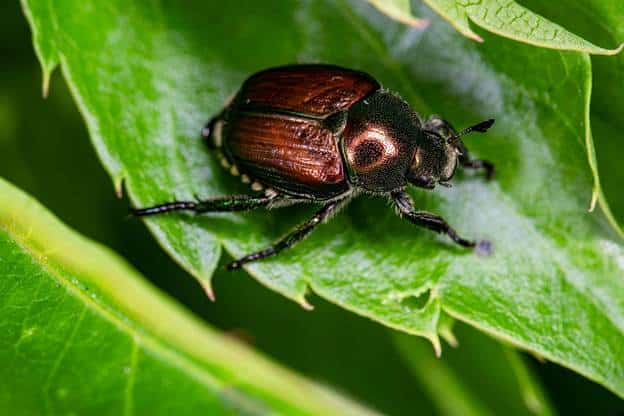
Japanese beetles are among the most familiar pests in temperate regions. They feed on leaves, flowers and fruits, often leaving a lacy appearance on plant foliage. They can attack plants in groups and live up to 40 days, leaving your landscape seriously damaged.
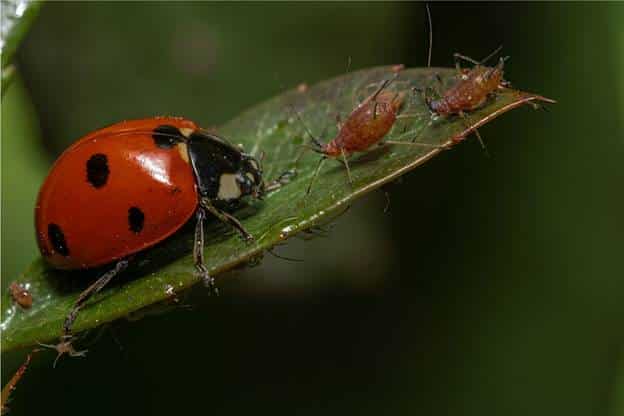
Another prevalent pest is aphids. The bugs suck plant sap and gather on stems and new growth.
Vegetable gardeners may also encounter squash bugs. They feed on squash, pumpkins and other cucurbit plants. Slugs can be a persistent problem in wetter areas, particularly during cool, moist spells.
Tropical and Humid Climates
Tropical regions have high humidity, frequent rainfall and warm temperatures for much of the year. The warmer climate means insects can be active year-round, and many gardeners have longer pest seasons and bigger pest populations than their counterparts in cooler climates.
Whiteflies, for example, are a common problem. They proliferate swiftly and can steal the strength from plants. Mealybugs flourish in warm conditions and congregate on stems and leaves, covered with a white, waxy covering. Various species of caterpillars are also abundant and will munch excessively on leaves and reduce plant vigor if not controlled.
Arid Climates
High temperatures, low humidity and low rainfall characterize arid climates. While these dry conditions may deter some moisture-loving bugs, they also provide an opportunity for insects well-suited to thrive in harsh conditions.
Grasshoppers are abundant in many dry areas and can swiftly wipe out vegetable crops and decorative plants. Under favorable environmental conditions, locust populations may rise in certain locations, causing considerable damage to plants.
Gardeners in dry areas generally find it helpful to check regularly. Even in dry settings, bug issues can escalate quickly.
Climate Change and Pest Populations
Climate change is driving many garden pests to find new homes. When temperatures rise, insects that used to be found only in warmer areas are starting to move into new regions. Gardeners may be encountering pests that were unknown or rare in their area just a few decades ago.
Warmer temperatures are also altering pest life cycles. University of California researchers found that pests like the codling moth are likely to emerge sooner in the spring and develop generations faster when temperatures rise. This means that some may have more opportunity to reproduce during a single growing season, leading to greater populations.
Climate change is raising concerns about invasive species. According to the Intergovernmental Science-Policy Platform on Biodiversity and Ecosystem Services, approximately 37,000 alien species have been documented globally, of which over 3,500 are invasive. As temperatures and weather patterns change, some of these may find conditions favorable in places where they could not previously live.
Research from the U.S. Department of Agriculture notes the scale of this shift. One study showed that areas suited to larger grain borer survival could nearly triple in size under an extreme climate change scenario. For gardeners, these changes highlight the importance of staying up to date on new pests and changing conditions in their local area.
Pest Management Strategies to Implement
Source: https://unsplash.com/photos/a-close-up-of-a-bug-on-a-leaf-CYSNeBfJldI
Because pest pressures vary from one climate to another, the most effective management strategies are often tailored to local conditions and the specific pests you encounter:
- Identify pests before taking action: The first critical step is to identify the pest correctly, as different insects require different management actions. Treating for the wrong one wastes time and may even kill off beneficial insects that help defend your crops.
- Encourage beneficial insects and natural predators: Ladybugs, lacewings, birds and spiders can be used to manage pest populations. However, the predator-prey relationship can be complex, as some ants can produce formic acid, which can be harmful to spiders. This constant battle is a key part of a balanced garden ecosystem.
- Focus on good gardening practices: Healthy plants are also generally more tolerant of insect pressure. Planting in rich soil, watering sparingly, eliminating plant waste, and choosing native plants or those adapted to your environment will help make your garden more robust over time.
- Consider natural pest control options: Many gardeners prefer natural or DIY treatments before resorting to synthetic chemicals. African agriculturalists are already effectively using kaolin clay in commercial operations to control some pests and reduce dependence on conventional pesticides.
- Stay flexible as conditions change: Climate change could make some traditional pest control approaches less reliable. Research shows that some insecticides and pheromone control techniques may become less effective when temperatures change. Monitoring activity and adapting your approach accordingly can help you respond more effectively to changing conditions.
Understanding Your Local Pest Setting
The pests you find in your garden depend heavily on the climate and other environmental factors where you live. Understanding the effect of temperature, moisture, seasonal cycles and climate changes on insect populations helps you make better decisions regarding prevention and treatment. Keeping an eye on your local pests can help you better safeguard your plants while creating a healthier garden.
