
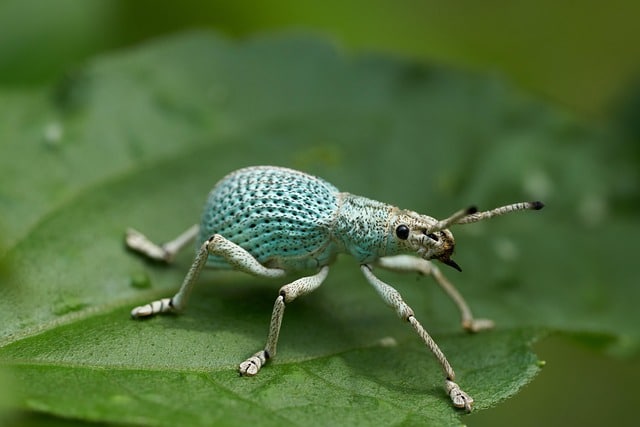
Look beneath leaves and along the dried stems in your garden. Bees, butterflies and ladybugs may be sheltering nearby, waiting for warmer days. The faded plants and fallen leaves can form a nursery for next year’s pollinators and pest-eaters.
Native Bees Tucked Into Stems and Soil
https://unsplash.com/photos/black-and-yellow-bee-on-white-flower-a0QPK_14hS4
A dried flower stem can hold more than a reminder of summer. For some native bees, it provides a nesting cavity where the next generation waits for its first season of flight. Other species nest in the ground.
Typically, the process starts when a female bee locates a suitable space, such as a stem, a tunnel in dead wood or a small opening among stones and bricks. She gathers pollen and nectar, forming a ball called bee bread, which provides food for the larva after its egg hatches. This is why it is important to leave occupied stems and crevices undisturbed during winter.
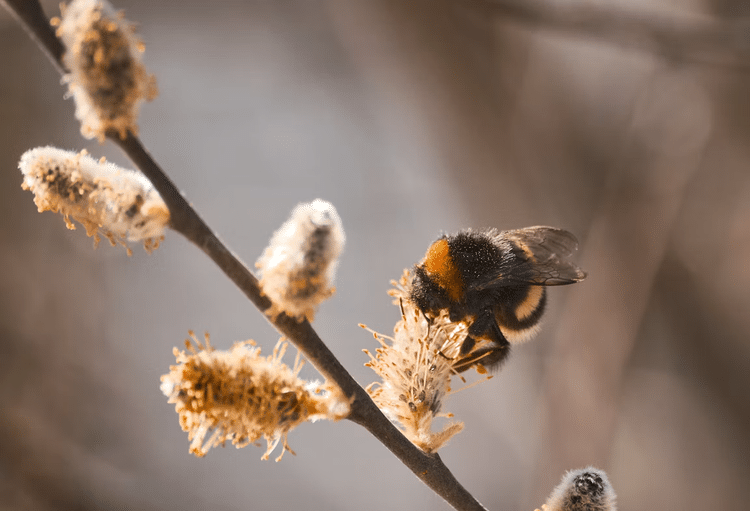
Bumble bees follow a different pattern. Newly mated queens hibernate in protected places, such as leaf litter, wood piles or underground shelters. They emerge in spring to feed, establish a new nest and lay eggs. By leaving sheltered spots in place, you may protect and support queen bees as they start their colonies.
Honeybees Keeping Warm Inside the Hive
While a bumble bee queen waits out winter alone, honeybees stay together as a colony. Inside the hive, workers gather around their queen and generate warmth by shivering. The center of this cluster can reach 91° Fahrenheit even during winter.
Workers build up honey reserves throughout the summer and autumn to fuel this activity when flowers are scarce. If you keep honeybees, leaving enough of those stores in the hive gives the colony food for the cold months.
On days above 55° Fahrenheit, you may spot honeybees outside again. They sometimes take a cleansing flight and leave the hive to relieve themselves. Others may search for food, gathering tiny bits of protein around bird feeders.
Butterflies and Moths Hiding in Plain Sight
Butterflies and moths do not all survive winter the same way. Depending on the species, you could be looking at an adult shelter, a resting pupa or a caterpillar hideaway without realizing it. These four overwintering patterns offer a glimpse of what may be tucked into your garden:
- Adult overwintering: Mourning cloak butterflies can shelter beneath loose bark, inside a crevice or under a dried leaf. They produce antifreeze compounds that help prevent ice crystals from forming in their body fluids when temperatures drop.
- Chrysalis overwintering: Some sulphurs and swallowtail butterflies spend the winter as chrysalises, the pupal stage between caterpillar and adult. Development pauses through the cold season before the adult emerges when conditions become suitable.
- Cocoon overwintering: A silk cocoon attached to a tree twig may hold a cecropia moth pupa throughout winter. Meanwhile, some hawk moths shelter underground.
- Caterpillar overwintering: Rolled leaves, silken nests and seed pods can shelter viceroy and red-spotted purple caterpillars through the colder months. Many overwinter alone, but some caterpillar species gather in groups.
Ladybugs Clustered Under Leaves and Logs
https://unsplash.com/photos/a-close-up-of-a-lady-bug-on-a-plant-4Vr2QkJC4IA
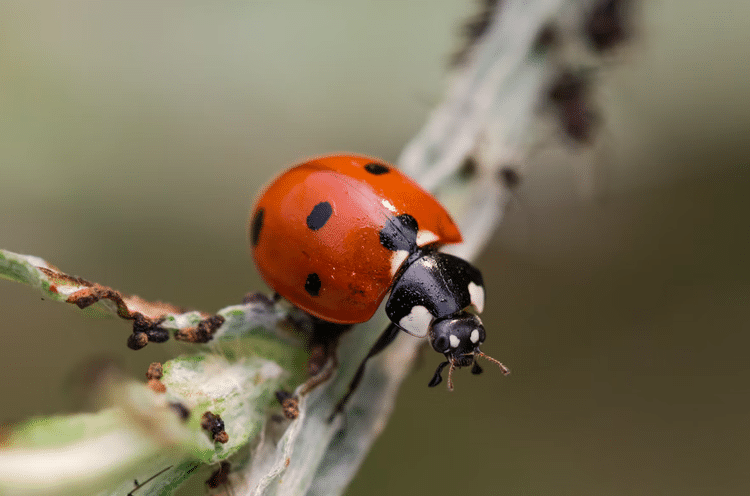
The ladybugs you spot on your plants in summer may stay nearby after the flowers fade. Many survive winter as adults, tucked among fallen leaves, beneath bark or inside log piles. These insects enter a hibernation-like state called diapause, in which their metabolism slows and they stop feeding.
You may find that ladybugs overwinter in groups, sometimes gathering in the same small space. If you discover a cluster while gardening, leave it alone and move your cleanup to another area. In spring, ladybugs can help protect your plants by eating aphids, the small insects that feed on plant sap.
Firefly Larvae Resting Beneath the Soil
Female fireflies lay eggs in moist soil or leaf litter. After hatching, the larvae feed on worms, snails and slugs, putting them among your garden’s hidden hunters. Their diet includes animals that can damage plants, so their role in your yard begins well before the summer light show.
These larvae overwinter in the soil, then resume feeding the following spring before becoming pupae. Eventually, adults emerge and begin the cycle again. Leaving logs and fallen leaves in place gives firefly larvae cover near the soil surface, where they spend much of their time.
Raking everything away or digging through that layer can disturb their habitat. You can choose a damp corner where natural debris can remain and leave the ground beneath it alone. That small patch may help support next summer’s fireflies while giving you one less area to clean.
When a Few End Up Inside Your Home
Some insects in your yard may seek winter cover inside your house. Ladybugs, stink bugs and boxelder bugs can slip through small openings as the weather cools. If you notice them near a particular window or doorway, start your search for entry gaps there.
Check window frames, door edges and openings around pipes, then inspect your walls and foundation. Making repairs, such as filling gaps with caulk or steel wool, before cold weather arrives helps you keep insects outside and leave their habitat intact.
If you find an insect inside, gently guide it into a container without crushing it and then release it outside, ideally somewhere sheltered like a leaf pile or the base of a shrub rather than out in the open. That is likely the same kind of spot it was trying to reach in the first place.
Resist the Urge to Tidy Up Outside
You can care for your garden while giving its winter residents room to rest. With one in five pollinators at risk, you can support those in your garden by:
- Leaving fallen leaves beneath shrubs.
- Keeping hollow stems standing through winter.
- Allowing old logs to remain in garden corners.
- Avoiding digging around likely nesting spots.
As spring approaches, spread your cleanup over several weeks rather than clearing everything on the first warm afternoon. It helps to give insects time to become active.
Protecting Tomorrow’s Pollinators
During winter, bees, butterflies, moths, ladybugs and fireflies may be resting in stems, soil, leaves, bark or logs. Leaving a few sheltered places intact through the cold months can protect next year’s pollinators and pest-eaters, which can support a healthier, more active garden in spring.
